Columbia · Maury County

Thinking About Moving to Columbia, TN? Here’s What I’d Want You to Know.

Columbia often enters the conversation when someone looks south and realizes their housing options change.

That’s worth noticing. But if price is the only thing you understand about Columbia, you’re missing most of the decision.

Columbia has its own downtown, neighborhoods, businesses, restaurants, employment and identity. It isn’t simply the point on the map where Nashville-area housing gets less expensive.

The better question isn’t “Can I commute from Columbia?” It’s “How often does my life actually need me north of Columbia?”

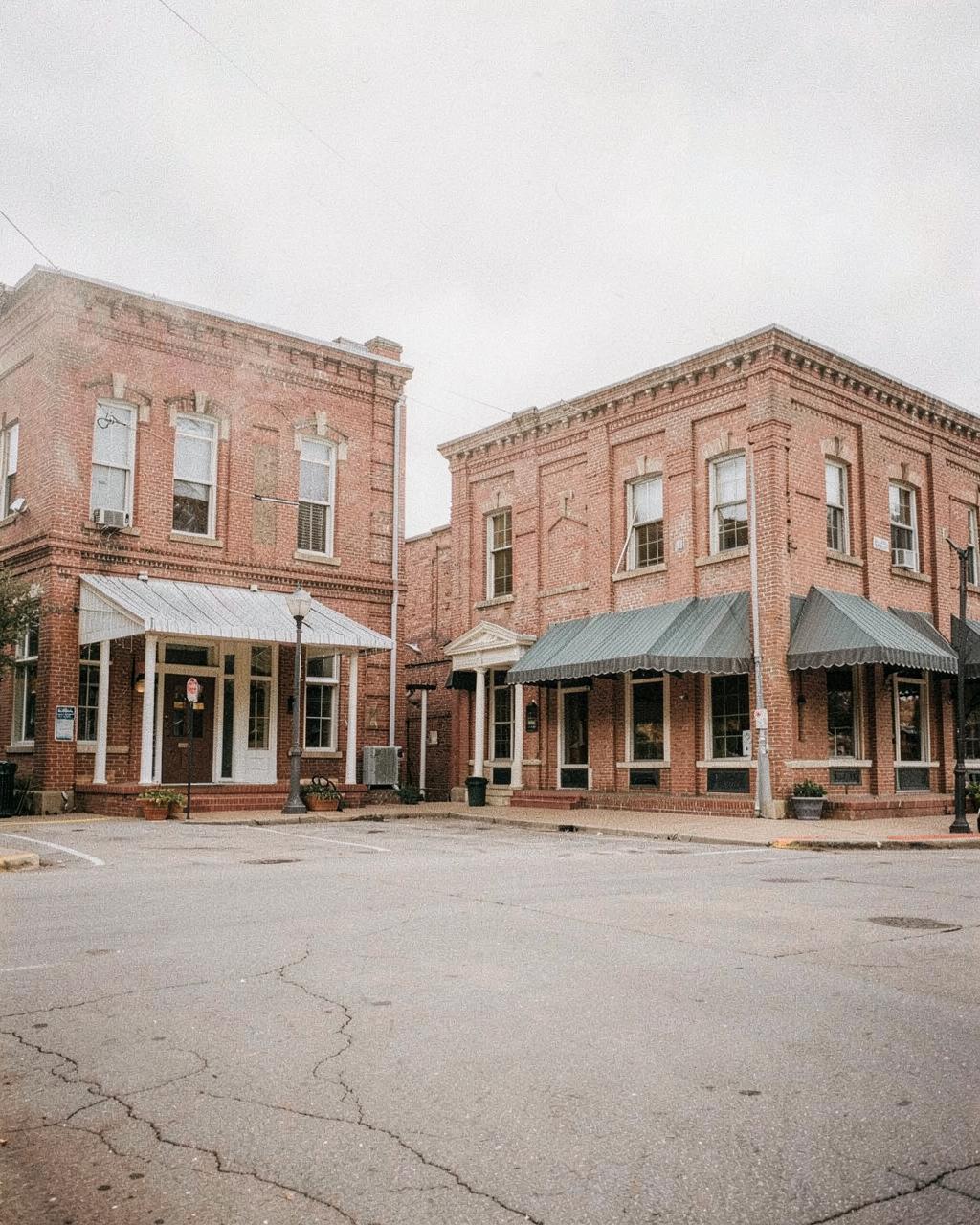
Historic brick storefronts near the downtown square in Columbia, Tennessee

01 · Orientation

Columbia in 60 seconds.

Columbia is the county seat of Maury County, south of Spring Hill, built around a historic downtown square.

It is an established city with its own downtown, commercial areas, services and employment—not simply a residential extension of communities farther north.

Housing spans historic homes, established neighborhoods, newer subdivisions and new construction, plus rural-edge and acreage property around the broader area.

Its geography differs materially from choosing Spring Hill, Franklin or Nashville. That difference — not price alone — is what you’re actually deciding about.

New to the region? Start with the Middle Tennessee relocation guide for the larger county-and-corridor picture.

02 · The defining question

Columbia is a city, not just a commute.

Before you evaluate Columbia, decide where your week actually happens. The same address works very differently depending on the answer.

Your week is mostly Columbia

If you work locally, work remotely or spend most of your week inside Maury County, you are making a very different decision than a Nashville commuter. Columbia's own downtown, services and employment carry more of your routine, and drive-time to Nashville becomes an occasional question instead of a daily one.

Your week pulls toward Spring Hill

If groceries, appointments, work or activities regularly land in Spring Hill, your position on the north side of the equation matters more. Look at the specific route and how often you'd make it, not the distance between city halls.

Your week pulls toward Franklin or Cool Springs

Route and frequency decide this one. Two trips a week and ten trips a week are different lives from the same address. Test the actual drive from a property you're considering at the hour you'd actually leave.

Your week is centered in Nashville

If Nashville is a frequent destination, Columbia deserves much more commute scrutiny than a map glance provides. Drive it before you decide, and be honest about how many days a week you'd repeat it.

Don’t measure Columbia from downtown Nashville until you’ve measured your own life from Columbia.

03 · Housing and geography

The different versions of Columbia.

Downtown and the historic core

Columbia's historic square anchors restaurants, retail, offices and events, with older housing on the surrounding streets. The downtown area puts some restaurants, businesses and destinations closer together than in many other parts of Columbia—but practical walkability varies block by block, so verify what is actually within walking distance of a specific address.

The Columbia Arts District

Current public tourism information identifies an Arts District near downtown, established in 2017, with arts and creative uses alongside some retail and dining. Treat it as a physical area with a particular mix of uses rather than a label, and look at what sits on the specific street you're considering.

Established residential Columbia

Older subdivisions and long-standing neighborhoods with mature landscaping and a wide range of home ages, sizes and styles. Housing stock can differ noticeably from one street to the next, so look beyond the neighborhood name and compare the specific streets and properties you're considering.

North Columbia and positioning toward Spring Hill

If your routine pulls north toward Spring Hill, Franklin or I-65, where you sit on the north side of the city can change your week. These are directional descriptions, not official boundaries, so measure from an actual address.

Newer development and the suburban edges

Columbia includes newer subdivisions and new construction. It is not concentrated in one single area, and phases, builders and inventory change, so verify what is actually available and what stage a community is in rather than assuming from a general area.

Rural edge and acreage outside the developed core

A Columbia-area search can move from city or suburban housing into larger-lot and acreage property quickly. City limits, mailing address and county geography do not always match, so confirm jurisdiction, services and taxes for the specific parcel.

A Columbia address can mean historic-city living, suburban living or a property where the land becomes half the decision.

These are orientation categories, not official neighborhood boundaries.

04 · Cost

What does it cost to live in Columbia?

Columbia currently presents a different housing-price equation than Franklin, but that is a starting observation, not a promise about what you’ll pay.

I don’t hard-code a median here because current figures age quickly and different sources measure different property sets. What lasts is what moves the number:

  • —Historic versus newer construction
  • —Renovation history and current condition
  • —Location relative to downtown and major routes
  • —Subdivision home versus a larger property
  • —Lot size and acreage
  • —New construction, phase and configuration
  • —Outbuildings, fencing and other property improvements
  • —HOA dues and restrictions, where applicable

Current Columbia market snapshot

I keep current pricing out of the evergreen guide so it can be dated and sourced honestly. There is no verified, regularly refreshed market feed connected to this page, so I would rather show no number than one I cannot stand behind.

Ask me for current numbers based on the kind of home and part of Columbia you are actually considering.

05 · The downtown question

Living in Columbia and living near downtown are two decisions.

Columbia has a genuine historic square with businesses, restaurants and events. That is one of the clearest differences between Columbia and communities like Spring Hill or Thompson’s Station.

But a Columbia mailing address does not mean you are living a downtown lifestyle. Practical walking distance to the square is a much smaller area than the city.

Older homes near downtown can carry real character, and character can come with property-specific questions: age, prior renovations, systems, maintenance, lot and parking arrangements, and historic-district requirements where a particular property is subject to them. Not every older home is historic, and not every downtown-adjacent property carries historic restrictions — verify what applies to the parcel.

If downtown is the reason you’re choosing Columbia, buy the distance to downtown as carefully as you buy the house.
06 · The case for Columbia

What people love about Columbia.

An actual historic downtown

Columbia has a real downtown square with businesses, restaurants, offices and events — not a single commercial corner.

A wide range of housing environments

Historic homes, established neighborhoods, newer subdivisions and rural-edge property can all appear in one search.

Services inside the city

Columbia has its own restaurants, retail, medical and everyday services, so many routine needs can be handled within the city rather than automatically requiring a trip north.

A creative and arts presence

The Arts District area near downtown adds a different mix of uses than a purely residential setting.

Established neighborhoods

Long-standing streets with mature trees and housing that was not all built in the same decade.

Newer housing as an option

Buyers who want new construction can consider it here without giving up the rest of the city.

Access to land searches

Larger lots and acreage around the broader area can enter the comparison.

Its own identity

Columbia has a local center of gravity that does not depend on Nashville to make sense.

07 · The tradeoffs

What people don’t love.

None of these are reasons to rule Columbia out. They are reasons to be precise about what you’re buying and why.

A Nashville-centered commute can be substantial

If Nashville is where most of your week happens, geography becomes a recurring cost in time and flexibility. Drive it before you commit.

A car is part of most routines

Outside limited downtown-adjacent areas, daily life here generally assumes driving.

Growth and traffic change over time

Development along the corridor affects roads and routines. Review current planning around a specific property.

Older housing brings older systems

Age can mean renovation questions and system-life questions. That is investigation work, not a defect.

Historic and new construction solve different problems

One offers character and location; the other offers predictability and newer systems. Decide which problem you're actually solving.

Proximity to downtown varies dramatically

Two Columbia addresses can have completely different relationships to the square.

Price alone is a weak reason to move south

If most of your life stays north, paying less for a particular home may come with a larger time-and-travel tradeoff than you expected. A lower house payment doesn't automatically create a better week.

08 · Older and historic homes

Character is something you can see. Condition is something you investigate.

An older home is not a problem. It is a different set of questions. Depending on the property, investigate:

  • —Age and remaining life of major systems
  • —Electrical service, panel and wiring
  • —Plumbing type, condition and supply lines
  • —HVAC age, capacity and ductwork
  • —Roof age and condition
  • —Foundation and structural questions
  • —Moisture, grading and drainage
  • —Windows, insulation and energy considerations
  • —Previous renovations and permits, where applicable
  • —Sewer or septic status, as applicable
  • —Property boundaries and easements
  • —Historic-district requirements, if the specific property is subject to them

This guide does not diagnose any property’s condition and does not provide legal, engineering or code conclusions. Use qualified inspectors and professionals, and confirm requirements with the appropriate City or County department.

09 · New construction and growth

Columbia isn’t only old houses.

Newer subdivisions and new construction are part of the Columbia housing mix, and they create a very different purchase decision from an older or historic home. If you’re comparing the two, compare them honestly — and compare what you’d actually sign:

  • —Base price versus the configured price you'd actually pay
  • —Incentives and what they require
  • —Lot premiums and lot orientation
  • —HOA dues, restrictions and what they cover
  • —Development phase and what's still to be built
  • —Road access now versus when the community is finished
  • —Remaining builder inventory and timing
  • —Surrounding planned development

Availability, phases, pricing and incentives change. Verify current terms with the specific builder and community documents.

10 · Land and rural-edge property

When the land becomes part of the purchase.

A Columbia-area search can include larger lots and acreage. When it does, the land deserves its own investigation:

  • —Usable ground versus total acreage
  • —Zoning and permitted uses
  • —Utility providers and availability
  • —Septic or well status, where applicable
  • —Driveway, frontage and access
  • —Fencing and outbuildings
  • —Drainage and topography
  • —Deed restrictions and easements

If horses matter to you, start with this: acreage alone doesn’t make a property horse-ready. Permitted animal use, usable pasture, water, fencing, shelter and access all have to be verified for the parcel.

Want the longer version of the land conversation? The Thompson’s Station guide works through acreage and equestrian property in more detail.

11 · Commute

Commute reality.

I don’t publish drive times, because the honest answer depends on the address, the route, the destination and the hour. What I can tell you is which comparison to run.

Sketch the week for each case that applies to you: regular trips to Spring Hill, regular trips to Franklin or Cool Springs, regular trips into Nashville, working locally in Maury County, or working remote or hybrid. Frequency matters as much as distance.

Columbia works differently when Nashville is an occasional destination instead of a daily requirement.

Test the drive you’d actually make, at the time you’d actually make it.

12 · Comparisons

Columbia vs. the places people also consider.

Columbia vs. Spring Hill

Columbia brings a larger historic identity and a real downtown, sits farther south, and offers a different housing and property equation. Spring Hill sits farther north, leans more suburban and newer-development in many areas, and has a different relationship to Franklin and I-65. Neither one wins; they solve different geographic problems.

Columbia vs. Franklin

Franklin generally sits at a higher housing-price level and farther north, creating a different geographic, housing and day-to-day equation. But this isn't only a price comparison: Columbia has its own downtown, services and city identity, and the deciding factor is usually where your week happens.

Columbia vs. Thompson’s Station

Thompson's Station is a smaller town with more lower-density and rural-edge character in parts of it. Columbia is a larger city with a downtown, commercial base and services, plus rural-property options around its edges. If open land is the whole point, compare them carefully.

Columbia vs. Murfreesboro

Both are larger regional cities with their own downtowns and employment, but they sit on very different corridors and solve different geographic problems. Which one fits depends on the direction your week actually pulls.

13 · Fit

Who Columbia may work for.

Deserves a closer look if you want

  • A real historic downtown
  • A broader range of housing ages and styles
  • An established city with its own services and commerce
  • New construction as an option rather than the whole identity
  • Larger-property possibilities around the broader area
  • A life that doesn’t need Nashville at the center every day

Compare elsewhere if your priority is

  • A Nashville-centered commute above everything else. Compare locations farther north and test the actual routes that matter to you.
  • Franklin or Cool Springs as your daily center. Compare Spring Hill, Franklin and other northern options.
  • A smaller-town or open-land environment. Compare Thompson’s Station and other rural-edge areas.
  • An urban lifestyle. Look at Nashville.

14 · Buying here

Buying a home in Columbia.

Decide what you're actually buying

Downtown access, a neighborhood, a house or land. Name it before you compare prices.

Map the actual week

Write down where you go, how often, and at what hour. Then drive it.

For older homes, investigate systems

Finishes photograph well. The condition of the systems may matter much more after closing.

For new construction, read past the model home

Compare the configured price, lot, development phase, incentives and HOA where applicable—not just the finishes in the model home.

For acreage, investigate the land separately

The land is a second purchase with its own questions.

Verify jurisdiction for the parcel

City limits, mailing address and county geography are not the same thing.

Review current surrounding development

Check planning and approved projects near the property before assuming what stays.

Verify property-specific details

Utilities, zoning, restrictions and school assignment should be confirmed for the parcel rather than assumed from a mailing address.

Attendance assignments and boundaries can change. Verify a specific property’s assignment directly with the appropriate district. Property-use, zoning, utility and land questions should be confirmed with the appropriate government department and qualified professional.

Already own in Columbia?See If Selling Actually Makes Sense

15 · Planning

Columbia is still changing.

The City adopted the current version of its Connect Columbia Comprehensive Plan in February 2024. The plan includes a Framework Plan, Future Land Use Plan, Parks & Greenways Plan, Transportation Plan and Access Management Plan.

Those are planning resources, not predictions about any individual parcel. They tell you how the City is thinking, not what will be built next door.

If what surrounds a property matters to you, review current planning and development information for that specific area before you buy. Open land visible today does not necessarily mean it is protected from future development — and that also does not mean development is planned.

16 · Cherie’s take

What I’d tell you over coffee.

I don’t think Columbia should be the place you choose because you couldn’t make Franklin work. It should be the place you choose because Columbia works.

If your week, your housing priorities and your geography line up here, the fact that your money may buy something different is a benefit—not the entire reason to live here.

Tell me where your week actually happens, and I’ll tell you honestly whether this is the right part of the map for it.

Maybe the question isn’t whether Columbia is too far south. Maybe it’s whether your life needs to be farther north.

Tell me where your week actually happens, what kind of house you’re looking for and what you want around it. We’ll figure out whether Columbia fits.

See If Columbia Fits Me

Ready to see what’s actually available? Browse current listings on my eXp Realty search.

Browse Homes in Columbia